
Co-production with Reserved Participants: What Works
Published: 27/02/2026
Author: Jordana Russell
Making space for surfacing quieter contributions
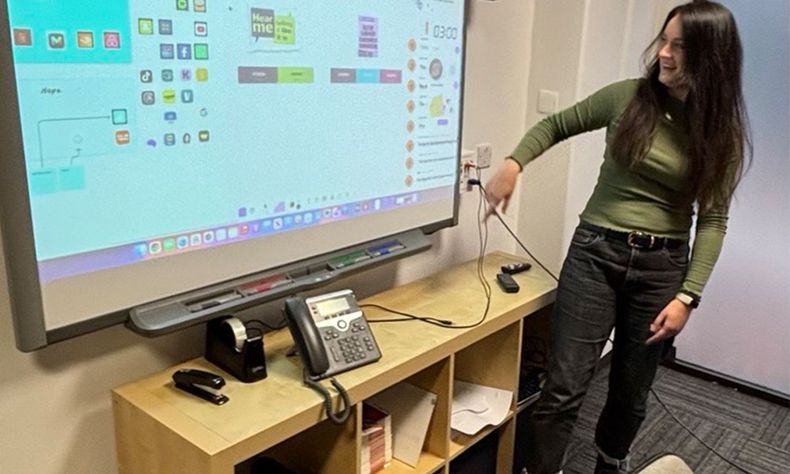
This week I travelled to Doncaster to run a co-production session with care-experienced young people for a new app supporting their transition to independence. Since Covid, most co-production sessions have taken place online, so it was refreshing to work together in person again.
Being in the same room makes a real difference. You can build trust more naturally, read the room more easily, and adapt your approach in the moment. It creates space for quieter contributions that might never surface in a virtual session.
This session involved eight young people with very different personalities and communication styles. I’d been told the group might be quite reserved, so I adapted my usual structure to make the session even more relaxed, practical and flexible.
Starting co-production early in a project is essential. It means design decisions are shaped by real experiences from the outset, rather than trying to retrofit feedback later. In this session, young people explored colour palettes, fonts and imagery styles, and shared views on apps they do and don’t like. Their preferences were quite different from other groups we’ve worked with, exactly the kind of insight that makes early involvement so valuable.
Working with quieter groups doesn’t mean you get less insight but it does require a different approach. Here are some of the things that worked well.
Make it hands-on
Practical activities feel less intimidating than open discussions. Choosing colours, reacting to designs and sorting examples helped participants share opinions without feeling put on the spot.
Offer different ways to contribute
Not everyone is comfortable speaking in a group. Participants could share ideas verbally or write them on post-its and drop them into a box, which encouraged more honest responses.
Create a relaxed start
I arrived early and met people informally as they came in, rather than beginning with a formal introduction round. It helped the session feel more natural from the start. Use their names naturally, it builds comfort fast.
Avoid putting people on the spot
Giving people time to think and respond in their own way helps quieter participants feel more comfortable contributing.
Sit down whenever possible
Standing gives teacher vibes, it also puts you in presenter mode, so if it's a relaxed discussion you want, sitting will encourage collaboration far more.
Be ready to adapt
No two groups are the same. Being flexible with structure and pace makes it easier to respond to the dynamic in the room.
In-person co-production takes more planning than a virtual session, but the depth and quality of insight makes it worthwhile, especially at the early stages of a project.
We came away with ideas that will shape an authentically user-led app, and we’re so looking forward to turning those insights into something practical and useful for the young people who helped design it. I have a feeling they're going to be pretty proud of themselves!